 |
 |
 |
 |
 |
 |
 |
 |
 |
|||
 |
 |
|
|||||||
 |
|||||||
 |
|||||||
 |
|||||||
 |
|||||||
|
|||||||






|
||||||
 |
||||||
 |
||||||
 |
||||||
|






 |
 |
 |
 |
 |
 |
 |
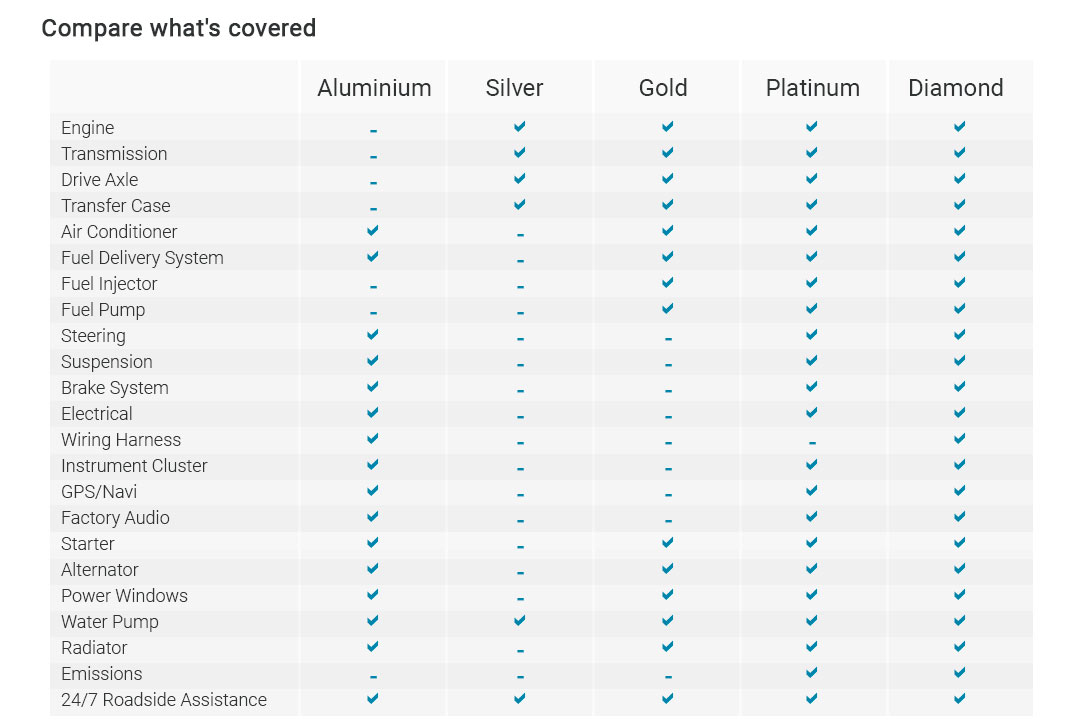
mechanical breakdown coverage you can trust on the road aheadWhat it is and why it mattersYou want your car to work, full stop. mechanical breakdown coverage steps in when a covered part fails due to normal use, paying for repairs after your deductible. It's not about dings or collisions - that's insurance. This is about the engine, the transmission, the tech that keeps your drive smooth. Right - small correction: it's easy to lump this in with roadside assistance. That's support. This is the repair bill solution that follows. What it can cover
Common exclusions include wear items like brake pads, tires, wiper blades, bulbs, and cosmetic trim. Fluids and adjustments are typically excluded unless required for a covered repair. How it works in real lifeIt's Thursday, raining hard, and your dashboard lights up. The alternator dies two exits from home. You request a tow, the shop confirms the failure, and the plan pays the approved amount directly. You cover the deductible. You drive away the next day without a surprise four-figure bill. Simple steps
Trust and flexibility you can feel
Cost versus valuePricing depends on vehicle age, mileage, make, and the coverage tier. A modest deductible often lowers the premium. If you drive long distances or keep cars past the factory warranty, the math can favor coverage after one major repair. Questions to ask before you decide
Best-fit scenariosYou plan to keep your car for years. You want predictable expenses. You prefer to choose your shop but still want approvals that happen quickly. That combination points to a plan with strong electrical and tech coverage, a reasonable deductible, and clear claim rules. The result you're afterLess friction, fewer surprises, and a car that gets fixed without derailing your month. With the right mechanical breakdown coverage, you buy time, flexibility, and confidence - so a bad day stays just that, not a bad quarter.
Main Topic:
Auto Breakdown Cover
https://www.acuity.com/personal/homeowners-insurance/mechanical-breakdown-coverage-details
What does the mechanical breakdown endorsement cover? The repair or replacement of a household appliance that is damaged due to a sudden and accidental ... https://www.aisinsurance.com/california/insurance/mechanical
Mercury's Mechanical Breakdown Insurance. Our trusted partner, Mercury Insurance, provides you with an extra level of protection against unforeseen mechanical ... https://www.geico.com/claims/claimsprocess/understanding-mechanical-breakdown-claims/
If your vehicle is protected by GEICO's Mechanical Breakdown Insurance (MBI), you're covered for repairs (excluding maintenance or wear and tear) to all ...
|
